
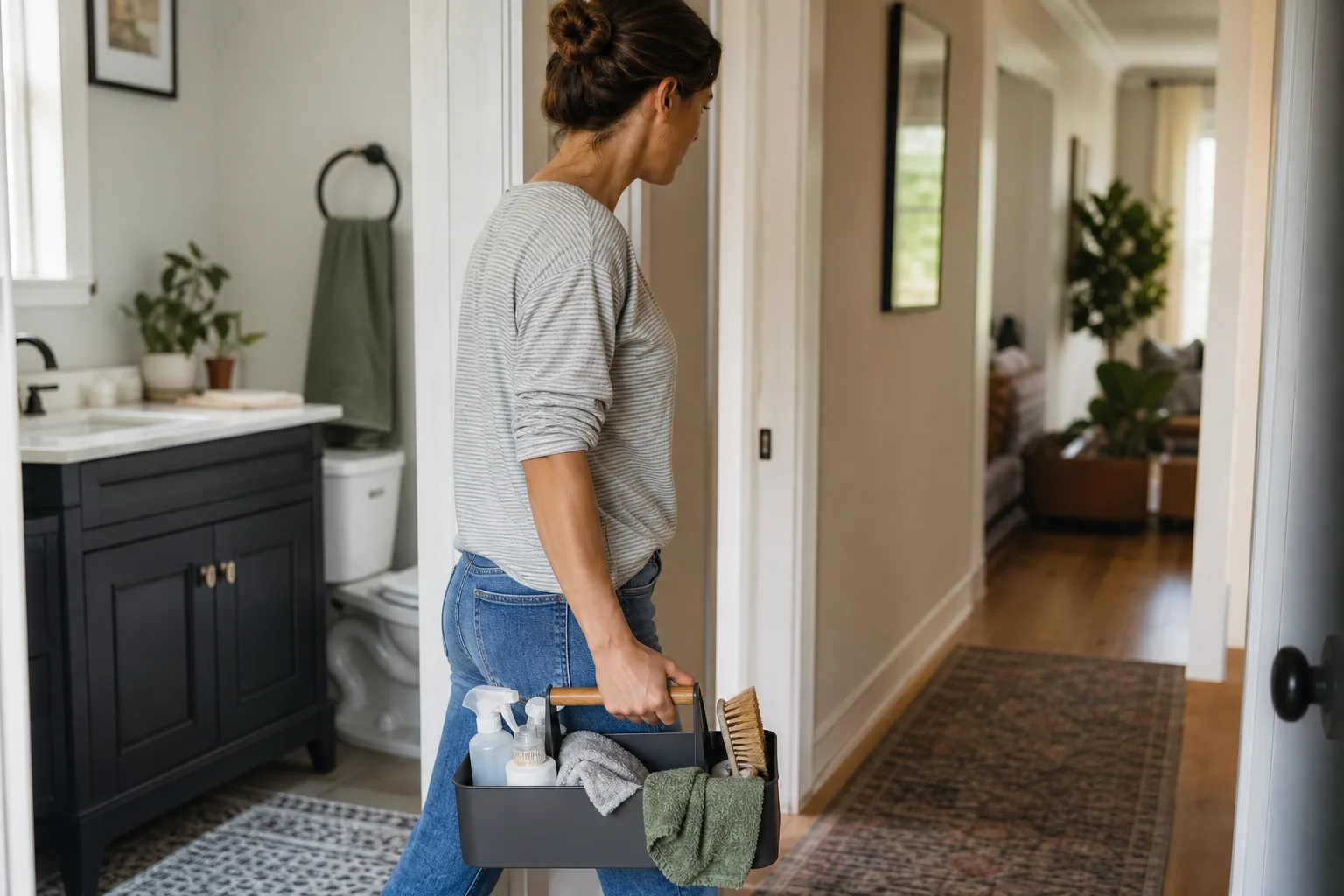
A bathroom mirror needs wiping, but the cloth is in the kitchen and the cleaner is under another sink. When setup takes longer than the job, a two-minute reset is postponed until it becomes a Saturday project.
This guide does not claim hands-on testing of every option on the market. It translates an everyday household problem into a practical buying checklist, so you can compare current products against your own room, routine, and tolerance for maintenance.
The quick answer
Build the caddy around five frequent jobs, not every possible stain. A comfortable handle, a washable base, and bottles that remain upright are the features that make it travel instead of becoming another storage bin.
What to look for before you buy
Start with the constraint that creates the most friction in your home. A feature is valuable only when it changes that constraint without adding a harder storage or cleaning problem.
Limit the load
Choose one surface-safe cleaner where possible, a glass solution if needed, cloths, a small brush, gloves, and waste bags. Keep specialty products elsewhere.
Separate wet tools
A removable cup or divided section prevents a used brush or damp cloth from soaking the clean supplies.
Prioritize safe storage
A portable caddy should not make chemicals accessible to children or pets. Store it in a secure location and keep labels intact.
Choose by household scenario
The same product format can be helpful in one room and irritating in another. Use these scenarios as a shortlist, then verify dimensions, care instructions, and current availability on the seller or manufacturer page.
One-bath apartment
A small handled caddy can live near the bathroom and travel to the kitchen for weekly cleaning.
Multi-level home
A caddy per level may reduce carrying, but each should remain intentionally small to avoid duplicate clutter.
Roommate household
A visible, simple kit makes the expected reset easier to share without explaining where every tool lives.
What not to overpay for
A long feature list can distract from fit. Skip complexity that does not remove a repeated household step, and be cautious when a specialized replacement part is essential to basic use.
- Mixing or decanting chemicals into unmarked bottles.
- Overloading the caddy until the handle flexes.
- Returning damp cloths to a closed compartment.
Make the purchase survive real life
After cleaning, remove used cloths, rinse brushes, wipe the caddy base, and restock only what ran out. The caddy should be ready at pickup, not require a preparation ritual.
Before ordering, take one final measurement and decide where the item will live when it is not being used. That single decision prevents many useful products from becoming visible clutter.
Frequently asked questions
Should cleaners be decanted into matching bottles?
Keeping original labels and safety information is the safer default. Do not combine products or use unmarked containers.
What size caddy is best?
The smallest size that holds the frequent tools upright without crowding. Carry it loaded before deciding.
Can one caddy serve the whole house?
Yes when floors are nearby and needs overlap. Larger or multi-level homes may benefit from smaller zone-specific kits.
Keep reading
Related guides
 Cleaning
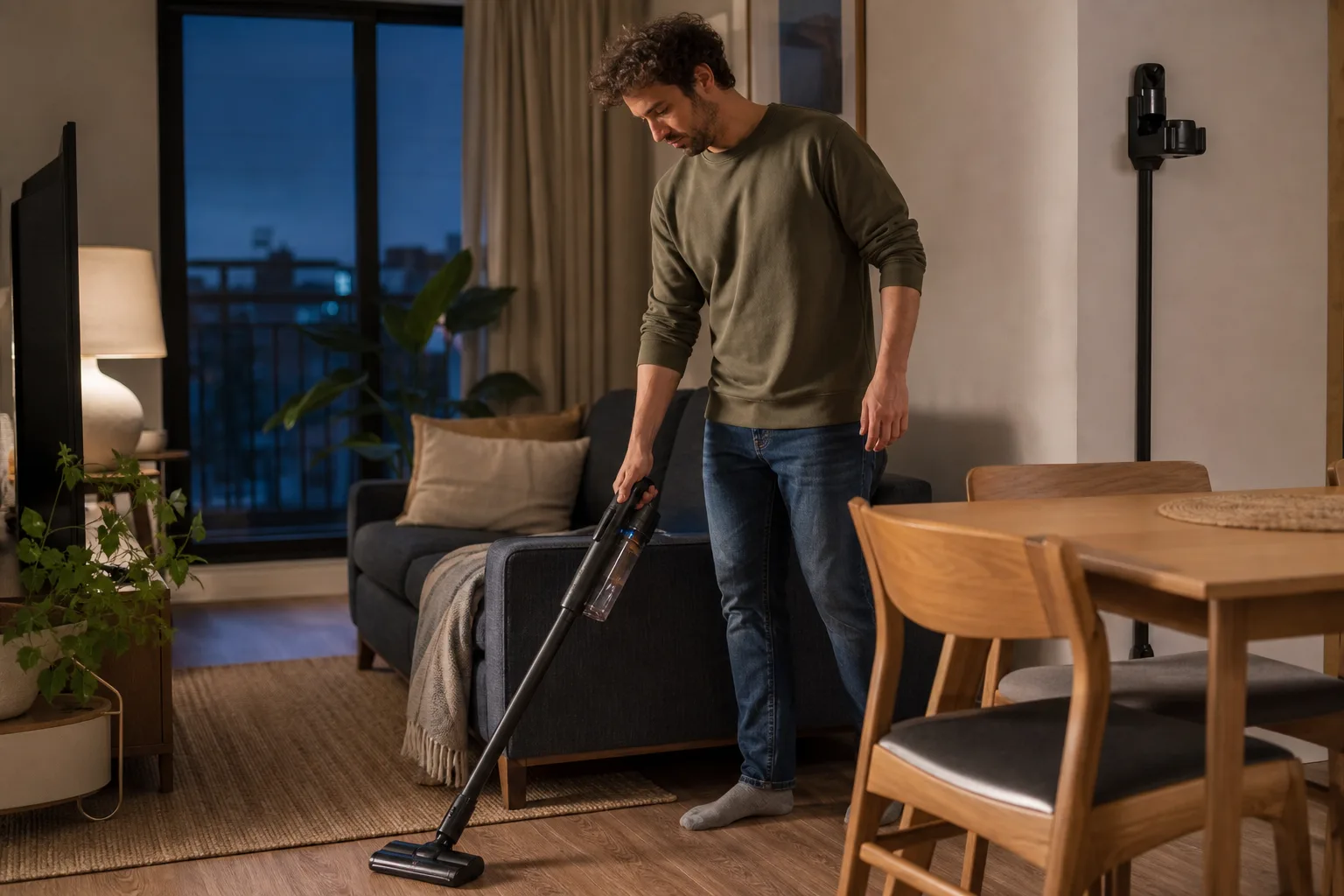
Cordless Stick Vacuums for Apartments: What Matters Most
Prioritize floor mix, storage, hand feel, and realistic cleaning sessions before chasing maximum power claims.
Read guide →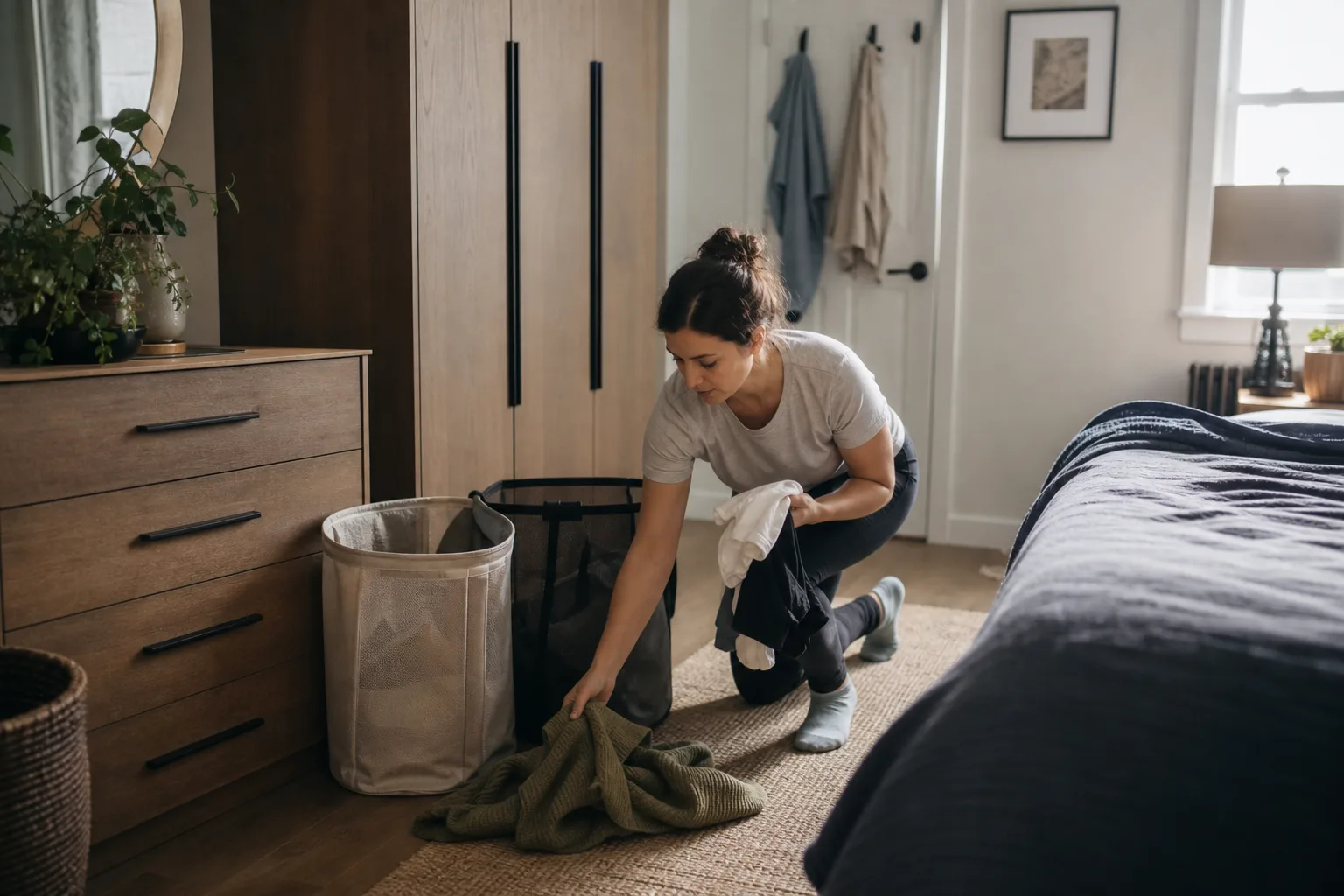 Cleaning
The Laundry Hamper Setup That Prevents Floor Piles
Place and divide hampers around the moment clothes come off, not around an ideal laundry room routine.
Read guide →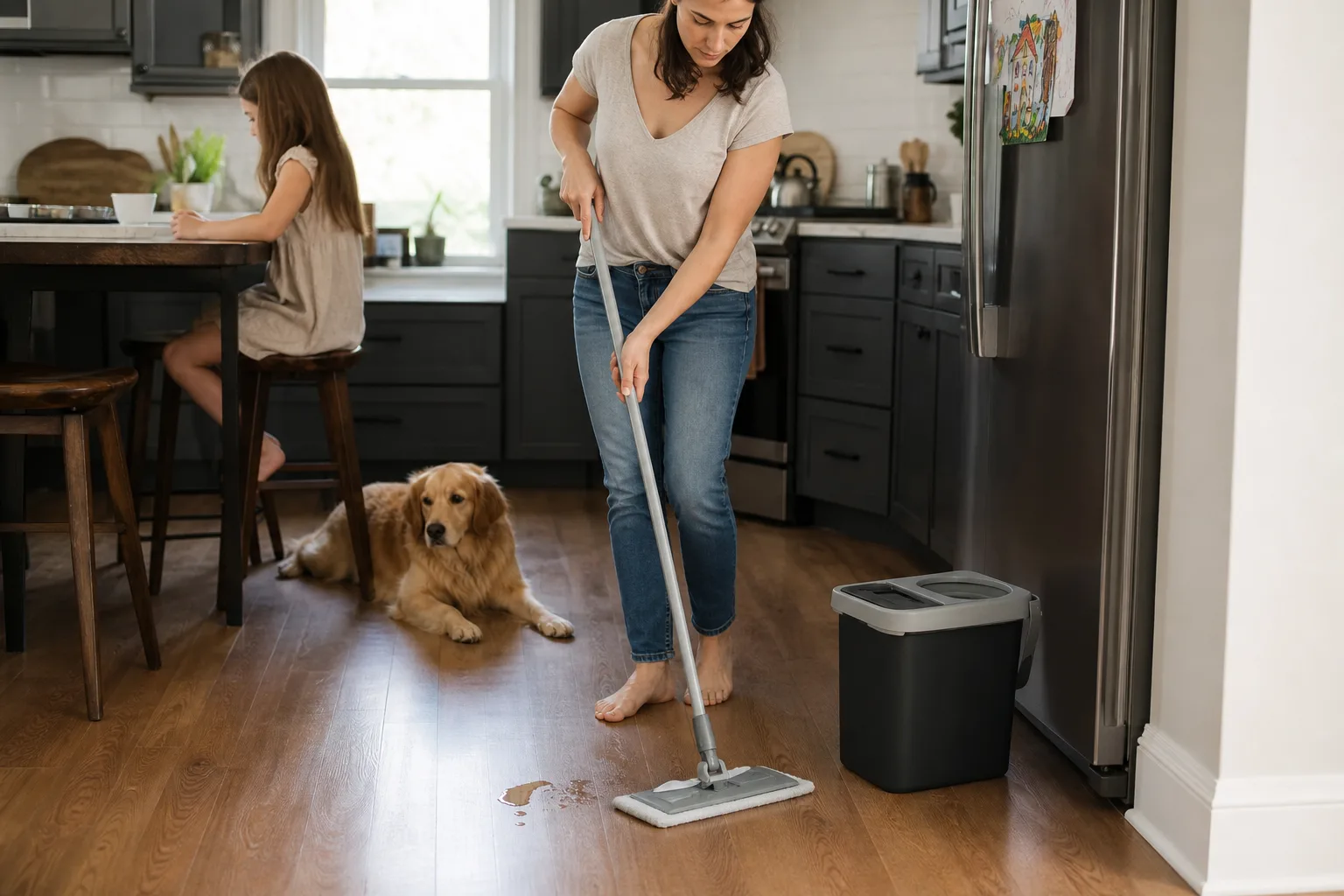 Cleaning
Mop Systems for Homes With Kids, Pets, and Tight Storage
Choose a mop around floor material, spill frequency, washable parts, and where wet equipment can dry safely.
Read guide →